The Second-Hand Surge: How Expiring EV Leases Will Drive Down Market Prices
A wave of expiring EV leases is set to double the supply of used electric vehicles, helping to drive down prices and accelerate mainstream EV adoption.
With a large number of lease agreements expiring, the supply of used electric vehicles is set to double between 2026 and 2027. This is expected to lower entry barriers and accelerate adoption, while posing challenges to charging infrastructure.
CATL has unveiled a new LFP battery capable of charging from 10% to 98% in under seven minutes while maintaining stability in Arctic temperatures, potentially boosting global EV adoption.
Tesla is reportedly reversing its decision to cancel its mass-market EV project, now contacting suppliers to begin work on an all-new, smaller, and affordable electric SUV to expand its presence in the mass market.
Honda is discontinuing three EV models in the US, and Lamborghini has pulled the plug on its luxury electric supercar plans, signaling a major cooling of the EV market. Both automakers are shifting focus back to hybrids or exploring synthetic fuels as they face slow consumer adoption and infrastructure challenges, marking a return to strategic pragmatism.
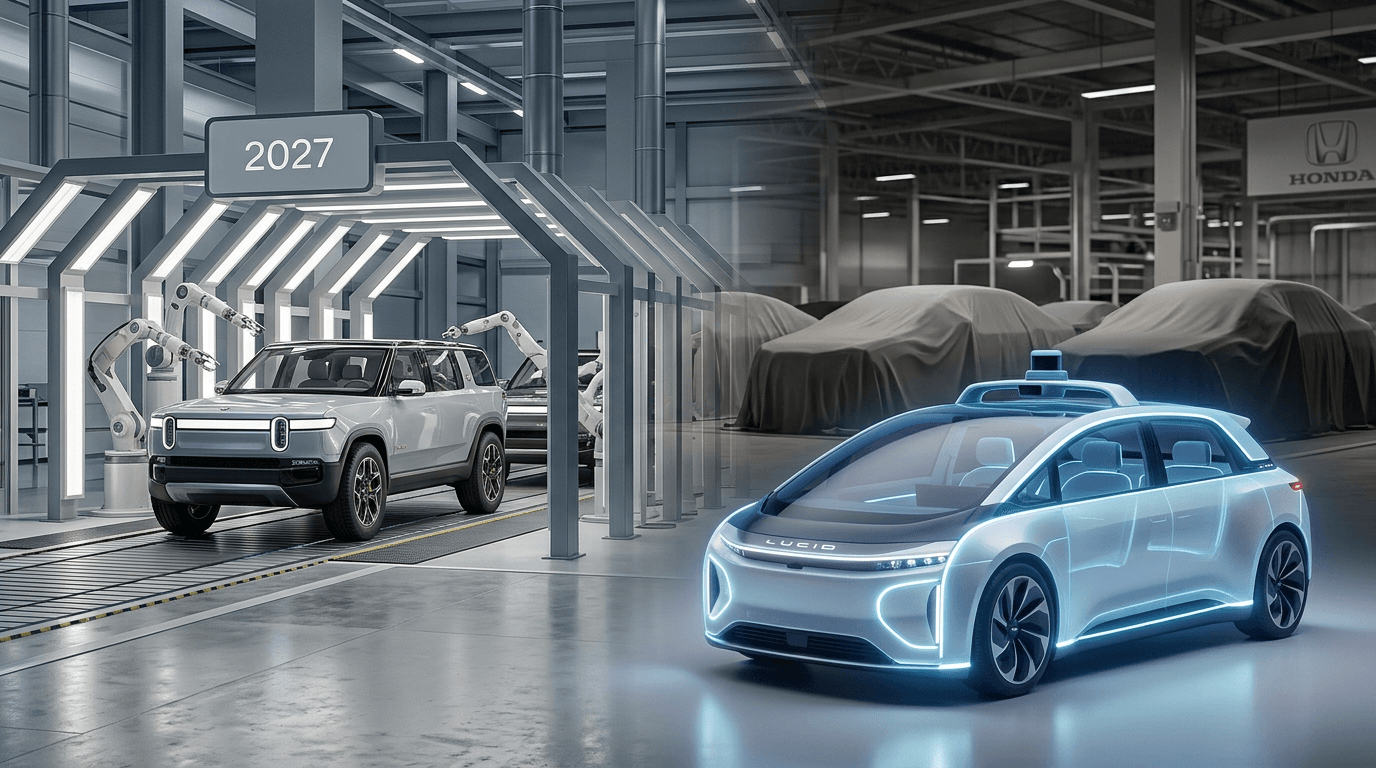
Rivian has delayed the delivery of its $45,000 base R2 model until late 2027 due to pricing and cost challenges. Simultaneously, Honda canceled three US-made EV models amid financial losses, while Lucid announced a pivot toward a more profitable midsize SUV platform and a robotaxi concept.
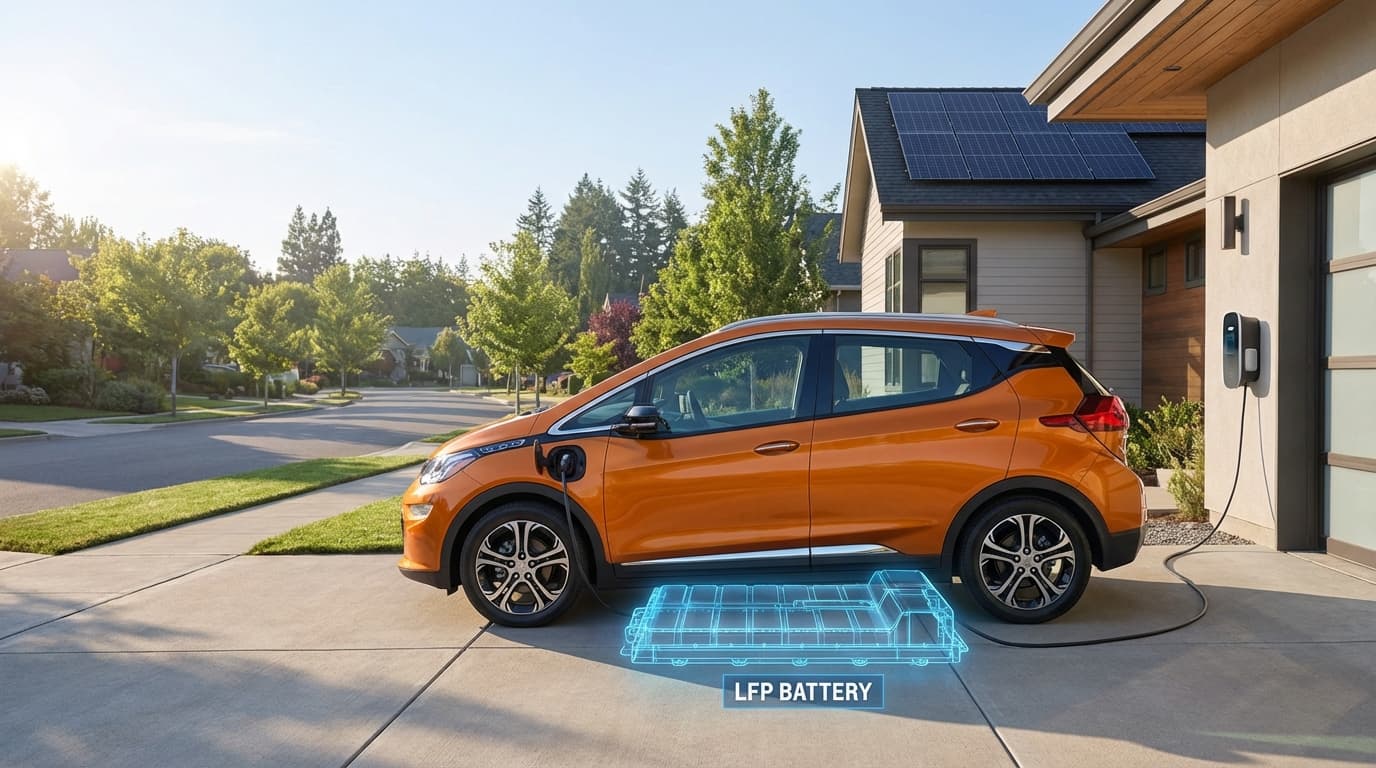
The 2027 Chevrolet Bolt was officially unveiled on March 9, 2026, marking a revival of the affordable EV nameplate with new LFP battery technology. As luxury brands like Lamborghini pull back on full-EV plans, the Bolt's return signals a major industry pivot toward mass-market affordability and practical electric mobility.